Can Ultra Fast EV Chargers Beat Gas Stations
Ultra-Fast EV Charging is Changing the Game for Long-Distance Travel
There was a time when driving an electric vehicle meant carefully planning your route around charging stops that could take upwards of an hour. That wait was part of the electric car experience, a trade-off for the environmental and cost benefits. But the rise of ultra-fast EV chargers is rewriting that script, promising to turn long-distance electric travel from a logistical challenge into a seamless journey.
The Technology Behind Ultra-Fast EV Chargers
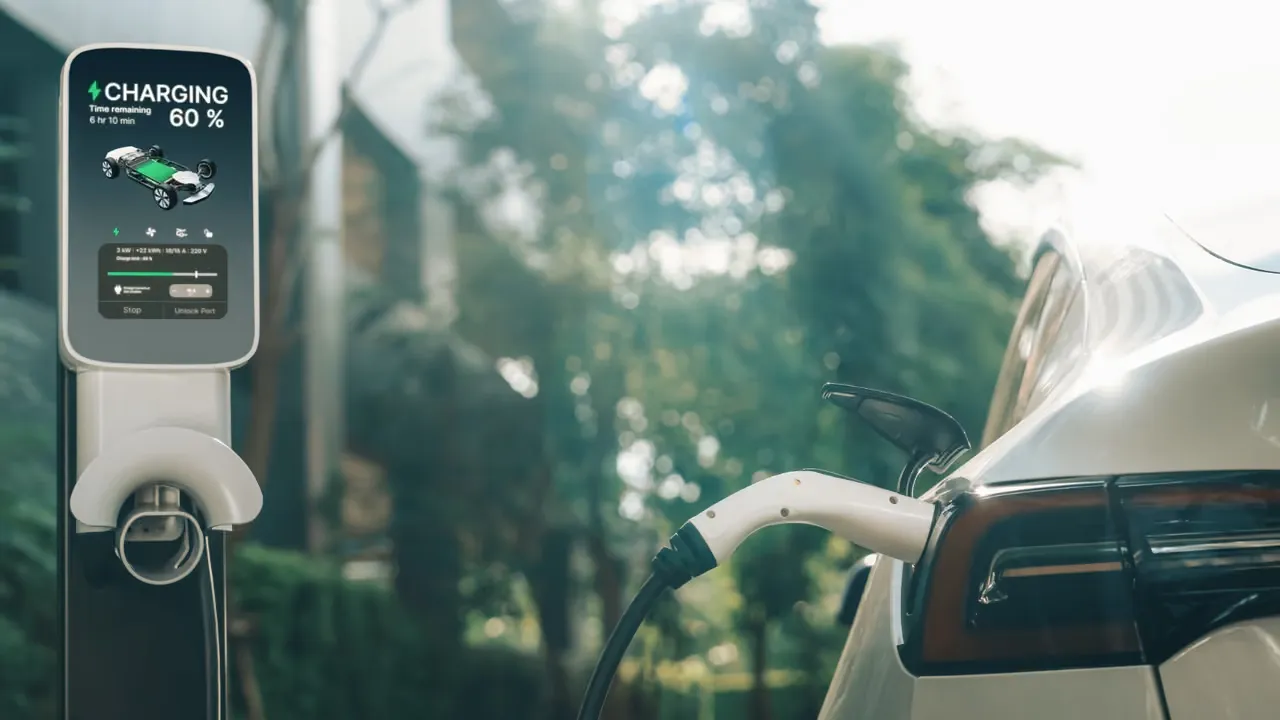
Ultra-fast charging technology is the product of rapid advancements in both hardware and software. Traditional fast chargers typically deliver power between 50 to 150 kilowatts (kW), but ultra-fast chargers push that envelope well beyond 350 kW, with some systems already hitting 400 kW or more. This leap in power means that electric vehicles can replenish their batteries much faster, sometimes adding hundreds of miles of range in 15 to 20 minutes.
Achieving these speeds requires more than just beefed-up cables and connectors. The charger must communicate precisely with the vehicle’s battery management system to optimize charging rates and prevent overheating or damage. Innovations like liquid-cooled cables allow for higher current flows without the cables becoming dangerously hot. On the vehicle side, batteries need to be designed to accept high rates of charge, which involves advanced cell chemistry and thermal management systems.
Standards like the Combined Charging System (CCS) have become the norm in many regions, enabling compatibility across different car brands and charger manufacturers. Meanwhile, new ultra-fast chargers often incorporate smart technology to balance load across multiple units, manage peak demand, and integrate with renewable energy sources.
Impact on Long-Distance Travel and User Experience
For EV drivers, the biggest barrier to embracing long-distance travel has been the downtime at charging stops. Ultra-fast chargers slash that waiting time dramatically, making road trips more practical and appealing. Instead of scheduling extended breaks, drivers can now plan shorter stops, sometimes synchronized with meals or quick errands.
This shift reduces “range anxiety” — the fear of running out of charge without a nearby station — and makes electric vehicles more competitive with traditional gasoline cars. The convenience of rapid charging also opens up new possibilities for ride-sharing and delivery services, where downtime equals lost revenue.
Some charging networks are enhancing the user experience by integrating apps that provide real-time availability, reservation systems, and dynamic pricing based on demand. This ecosystem approach helps avoid queueing and optimizes the overall journey.
Infrastructure Challenges and Solutions
Installing ultra-fast chargers isn’t as simple as plugging in a high-capacity unit. The electrical infrastructure needed to support these chargers is substantial. High-power chargers require significant grid connections, often necessitating upgrades to transformers, substations, and local distribution networks.
In many locations, especially rural or remote areas critical for long-distance routes, the grid may not be ready to handle the load. Additionally, the cost of installing ultra-fast chargers — which can run into hundreds of thousands of dollars per station — is a serious hurdle.
To tackle these challenges, companies and governments are exploring several strategies:
- Energy Storage Solutions: Using onsite batteries to buffer grid demand, allowing chargers to draw power without overwhelming local infrastructure.
- Renewable Energy Integration: Combining solar or wind power with chargers to reduce grid dependency and environmental impact.
- Strategic Site Selection: Prioritizing locations with existing robust grid connections, such as highway rest stops and urban centers.
- Public-Private Partnerships: Collaborations that share costs and expertise to build out networks more rapidly.
While these solutions help, scaling ultra-fast charging networks remains a complex endeavor requiring coordination among utilities, governments, automakers, and charging operators.
Future Outlook for Ultra-Fast Charging Networks
Looking ahead, the pace of ultra-fast charging deployment is set to accelerate. Automakers are increasingly equipping new electric models to handle higher charging rates, and regulatory frameworks are encouraging infrastructure expansion.
Technological innovations continue to push boundaries. Research into solid-state batteries and alternative chemistries could further reduce charging times and improve battery longevity. On the charging side, developments like bidirectional charging could enable vehicles to feed energy back into the grid, transforming chargers into mobile energy hubs.
Networks will likely become more interconnected and user-friendly, with seamless payment systems and integrated route planning. As ultra-fast chargers become ubiquitous along highways and in cities, the distinction between electric and gasoline travel times will blur, making electric vehicles a natural choice for long-distance trips.